How to Get Affordable Mogo eSIM Plans for Travel in 2026
9/19/2026
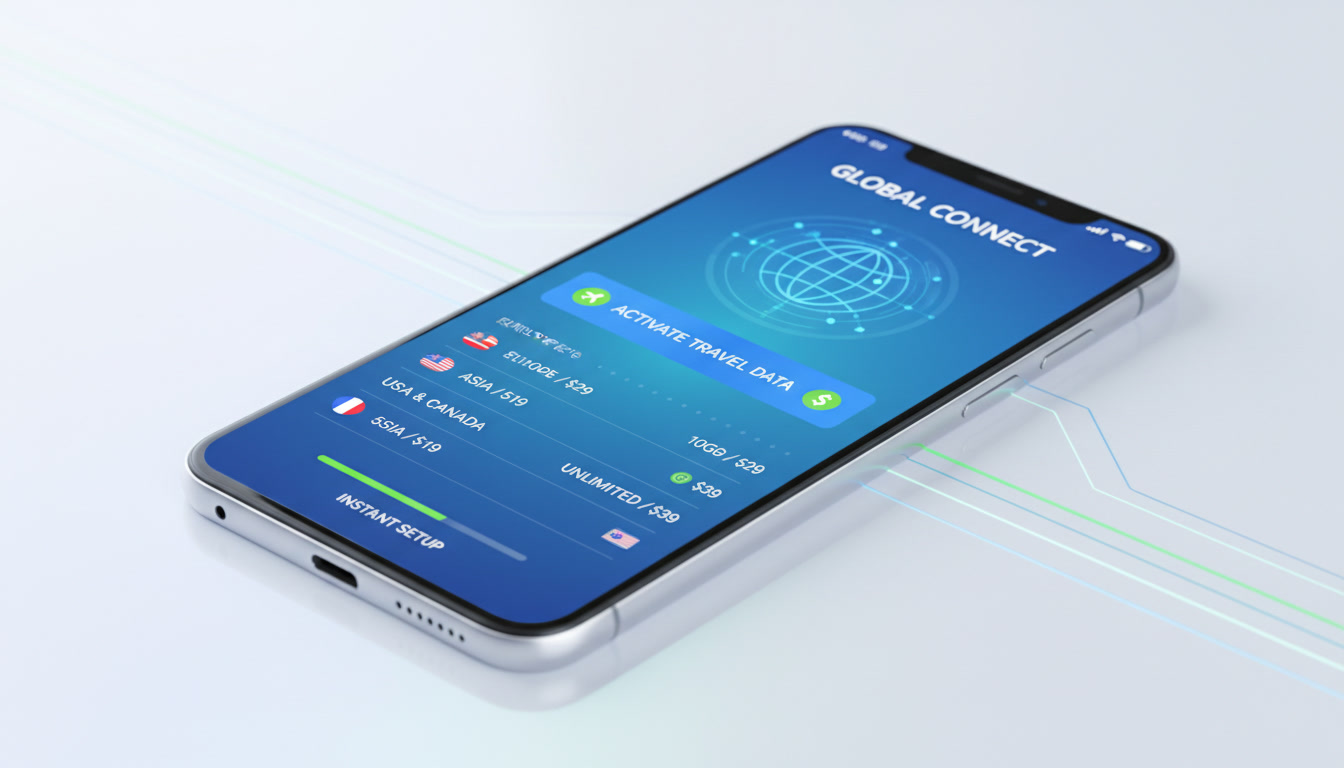
What Is Mogo eSIM and How Does It Work?
Mogo eSIM is a digital SIM service designed for travelers and everyday users who want to avoid the hassle of physical SIM cards. Instead of inserting a physical card into your phone, Mogo eSIM lets you download a virtual SIM profile directly onto your compatible device.
This means instant access to mobile data without swapping SIMs or dealing with local carriers every time you travel.
The core mechanism behind Mogo eSIM is based on the GSMA specification SGP.22, which governs remote SIM provisioning. This standard allows your device to securely download and activate an eSIM profile over the air.
The result is a seamless connection that works globally without needing physical SIM changes.
One important point to note is that not all phones support eSIM technology. Devices like recent iPhone models (iPhone XS and later), Google Pixel 3 and newer, and some Samsung Galaxy phones have built-in eSIM compatibility.
If your phone supports it, Mogo eSIM can be activated in minutes through their app or website, eliminating the need for physical SIM cards.
Mogo eSIM Data Plans and International Coverage
Mogo offers prepaid data plans that cover over 200 countries worldwide, making it a solid choice for international travelers. Plans start at affordable rates, with prices varying depending on data volume and destination.
Unlike traditional roaming plans, Mogo’s pricing often beats local rates because it uses multiple local networks via partnerships.
The activation process is straightforward: once you purchase a plan, you receive a QR code to scan with your phone’s settings or through the Mogo app. The eSIM profile downloads instantly, and your data plan activates immediately.
Key Benefits of Mogo eSIM for Travelers
- Instant activation: No waiting for physical SIM delivery or store visits.
- Global coverage: Access data in more than 200 countries without changing SIMs.
- Lower costs: Prices often undercut local roaming fees.
- No physical card needed: Reduces risk of losing or damaging a SIM.
- Multiple profiles: You can store several eSIM profiles on one device but only use one at a time.
Because Mogo leverages roaming agreements with local carriers, the quality of service depends on your location and the networks available there. In some regions, coverage may be patchy or slower if only secondary networks are accessible.
That’s why I always start by checking specific country coverage maps before committing to a plan.
How to Use a Mogo eSIM: Activation Process and Compatibility
Using a Mogo eSIM involves several precise steps that ensure proper installation and activation:
- Check device compatibility: Your phone must support the GSMA SGP.22 standard for remote provisioning.
- Purchase a plan: Choose from various data packages tailored to your travel needs.
- Receive QR code: After purchase, Mogo sends a QR code via email or app.
- Scan QR code: Use your phone’s settings (usually under Mobile Data or Cellular Plans) to scan the code.
- Activate profile: Follow on-screen prompts to install and activate the eSIM profile.
- Test connection: Confirm that mobile data works without Wi-Fi.
A common mistake users make is trying to activate multiple profiles simultaneously without disabling the current one, which can cause conflicts and loss of connectivity. The device only supports one active data profile at a time, so switching requires manual toggling in settings.
Devices Compatible With Mogo eSIM
- Apple iPhone XS, XR, 11 series, 12 series, 13 series, 14 series
- Google Pixel 3 and newer
- Samsung Galaxy S20 and later models
- Microsoft Surface Pro X
- Other newer devices supporting GSMA SGP.22
If your device does not support eSIMs yet, I'd advise against attempting workarounds like dual-SIM adapters because they often lead to unstable connections or hardware issues.
The Cost of Using Mogo eSIM Compared to Physical SIM Cards
Mogo’s pricing model focuses on prepaid data plans with no hidden fees or contracts. While exact prices fluctuate based on destination and data volume, their rates generally fall below typical roaming charges from major carriers.
Because Mogo uses virtual SIM technology compliant with GSMA standards, it eliminates costs related to manufacturing and shipping physical SIM cards—cost savings passed on to customers.
Here’s what you should consider about costs:
- Data-only plans: Most Mogo plans provide mobile data only; voice calls require VoIP apps.
- No contract lock-in: You pay upfront for what you need without monthly commitments.
- Price variability: Rates depend on destination country; some regions may have premium pricing due to network agreements.
- No physical card fees: Avoid activation fees common with traditional SIMs.
For travelers who want unlimited data options or broader service bundles including calls and texts, other providers like Orange Travel or Maya might offer competitive alternatives with promo codes available through MyBestSim.
| Provider | MyBestSim Rank | Rating | Promo Code | Discount |
|---|---|---|---|---|
| Orange Travel | 2 | 4.7 | MYBESTSIM | -5% unlimited |
| Yatelo | 12 | 4.2 | MYBESTSIM | -15% unlimited |
| Maya | 15 | 4.4 | MYBESTSIM | -10% unlimited |
This table shows some top-rated providers offering promo codes via MyBestSim for travelers seeking affordable unlimited plans as alternatives or complements to Mogo’s offerings.
Customer Support and User Experience With Mogo eSIM
Customer support quality can make or break an eSIM provider experience. Mogo offers support primarily through their app and website chat features, focusing on troubleshooting activation issues and billing questions.
A frequent user observation is that response times vary depending on region and time zone differences because support teams operate remotely across multiple countries.
Common User Feedback Highlights
- Many users praise the simplicity of the activation process when following instructions carefully.
- Some report connectivity drops in rural areas due to reliance on partner networks rather than direct carrier agreements.
- The absence of traditional voice call support means users must rely on apps like WhatsApp or Skype for calls.
For anyone considering switching from a physical SIM to an eSIM like Mogo’s, I always recommend testing with a small data plan first before committing long term—this helps identify any compatibility or coverage issues specific to your device or travel destinations.
If you want detailed insights into how other travelers manage their connectivity abroad using various providers including Starlink satellite internet options or permanent eSIM setups, I suggest reading this article about Starlink connectivity or exploring free data trial offers that help test services risk-free.
The Difference Between Mogo eSIM and Physical SIM Cards
The fundamental difference lies in form factor and provisioning:
- A physical SIM card is a small plastic chip inserted into your phone; it requires manual swapping when changing carriers or countries.
- An eSIM like Mogo’s is embedded virtually inside your device’s hardware following GSMA SGP.22 standards; it allows remote provisioning without physical intervention.
This difference impacts user convenience significantly but also introduces technical constraints:
- Activation speed: eSIMs activate instantly via QR code scanning; physical SIMs require shipping or store visits.
- Device dependency: Only devices supporting GSMA remote provisioning can use an eSIM; physical SIMs work universally across GSM phones.
- Profile management: Multiple profiles can be stored on an eSIM but only one active at once; physical SIM swaps require removing one card physically.
- Security: Because eSIM profiles are digitally signed by carriers following strict encryption protocols (GSMA standards), they offer enhanced protection against cloning compared to physical cards.
However, I'd advise against relying solely on an eSIM if you frequently visit areas with poor digital infrastructure where scanning QR codes or downloading profiles might be impossible due to lack of internet access.
In summary, Mogo eSIM offers an innovative way to stay connected globally with instant activation and competitive pricing across over 200 countries. Its reliance on GSMA SGP.22 remote provisioning ensures secure and flexible mobile data access but requires compatible devices and awareness of network limitations in certain regions.
For those ready to embrace digital SIM technology while traveling or upgrading their phone setup, understanding these mechanisms will help avoid common pitfalls like simultaneous profile conflicts or unexpected coverage gaps.
If you want to explore how permanent eSIM solutions work for daily use beyond travel scenarios, this detailed guide on eSIM Forever explains long-term benefits and setup tips that complement what you get from providers like Mogo.
FAQ
How does Mogo eSIM activate on compatible devices?
Mogo eSIM activates by scanning a QR code sent after purchase. Compatible devices download the virtual SIM profile instantly, enabling mobile data without physical SIM swaps. Activation is quick and done through phone settings or the Mogo app.
Which devices support Mogo eSIM technology?
Mogo eSIM works on devices supporting GSMA SGP.22 remote provisioning, including iPhone XS and newer, Google Pixel 3 and later, Samsung Galaxy S20 and newer, and Microsoft Surface Pro X. Older phones without eSIM support cannot use Mogo’s service.
What countries does Mogo eSIM cover for data plans?
Mogo eSIM offers prepaid data plans covering over 200 countries worldwide. It partners with multiple local networks to provide global connectivity, making it ideal for international travelers seeking affordable and widespread mobile data access.
How do Mogo eSIM data costs compare to physical SIM cards?
Mogo eSIM plans are prepaid and often cheaper than traditional roaming fees. They eliminate physical SIM manufacturing and shipping costs, passing savings to users. However, pricing varies by destination and data volume, with no contracts or hidden fees.
What are common user issues when using Mogo eSIM?
Users sometimes face connectivity drops in rural areas due to reliance on partner networks. Another common issue is activating multiple profiles simultaneously, which causes conflicts since only one profile can be active at a time. Testing with a small plan is recommended.

Marcus Bennett
Marcus is a travel and tech writer who has tested eSIMs and data plans across dozens of countries. At eSIM Promo Codes he tracks down the best working coupons and explains how to stay online abroad without falling into the roaming trap.